Terminology Dictionary
The industry's definitive reference for power washing technical language and definitions. Explore comprehensive terminology covering equipment, chemicals, processes, and surfaces—all verified by industry experts.
Surface Cleaner

A rotating pressure washing attachment that uses multiple high-pressure nozzles to clean flat surfaces evenly and efficiently. The enclosed design prevents overspray and creates consistent cleaning patterns, making it ideal for driveways, sidewalks, and large flat areas.
Etymology: Derived from the combination of 'surface' (the flat area being cleaned) and 'cleaner' (the tool performing the cleaning action). First commercially introduced in the 1980s as pressure washing technology advanced.
Related Terms:
Sodium Hypochlorite
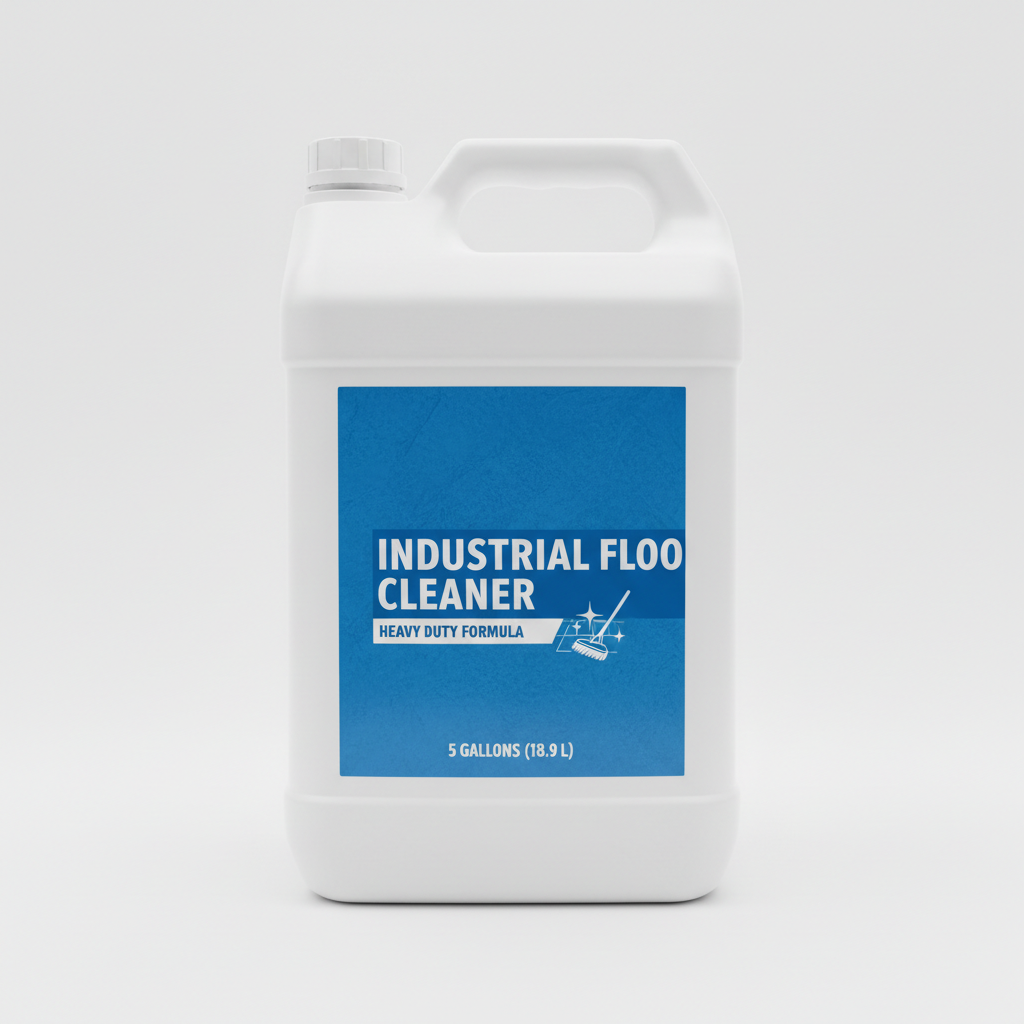
A chemical compound (NaOCl) commonly known as bleach, used in power washing for its powerful disinfecting and stain-removing properties. In the power washing industry, it's typically used in 10-12.5% concentrations for soft washing applications to kill mold, mildew, and algae on exterior surfaces.
Etymology: From Latin 'natrium' (sodium) and Greek 'hypo' (under) + 'chloros' (green), referring to its chemical composition. First discovered by French chemist Claude Louis Berthollet in 1785.
Related Terms:
Turbo Nozzle
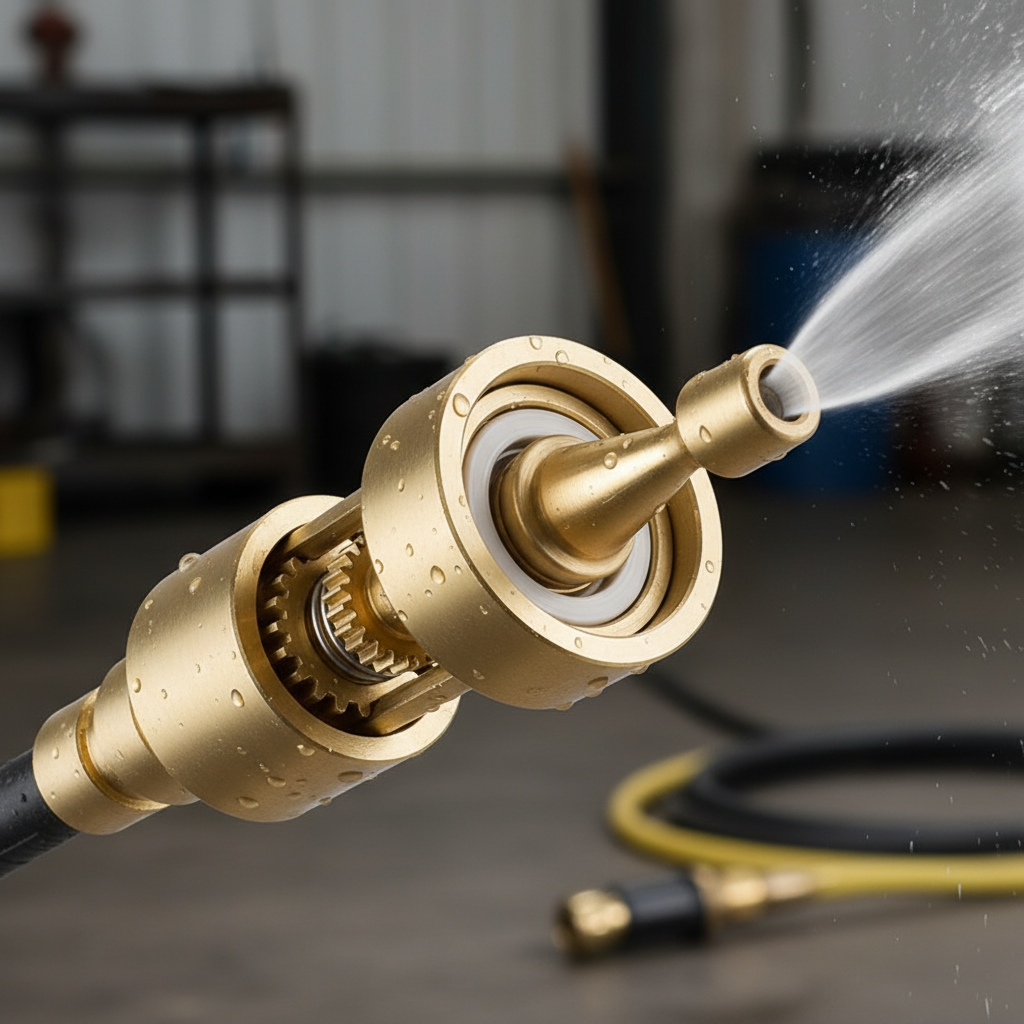
A specialized pressure washer nozzle that rotates a zero-degree water stream in a circular pattern, combining the cleaning power of a zero-degree nozzle with the coverage area of a wider spray pattern. Creates a pulsating action that's highly effective for removing stubborn stains and buildup.
Related Terms:
Soft Washing
A low-pressure cleaning method that uses specialized chemical solutions to break down dirt, algae, mold, and mildew on exterior surfaces. Unlike traditional pressure washing, soft washing relies on chemical action rather than mechanical force, making it safer for delicate surfaces like roofs, siding, and painted surfaces.
Etymology: Coined in the early 2000s to distinguish this gentler cleaning method from traditional high-pressure washing. The term emphasizes the 'soft' or low-pressure application technique.
Related Terms:
PSI (Pounds per Square Inch)
The unit of measurement for water pressure in power washing equipment. PSI indicates the force at which water is expelled from the pressure washer. Residential units typically range from 1,300-2,800 PSI, while commercial units can exceed 4,000 PSI. Higher PSI provides more cleaning power but requires more skill to avoid surface damage.
Etymology: Standard engineering measurement derived from imperial units, where 'pound' refers to force and 'square inch' refers to area. Widely adopted in the pressure washing industry since the 1950s.
Related Terms:
Surfactant
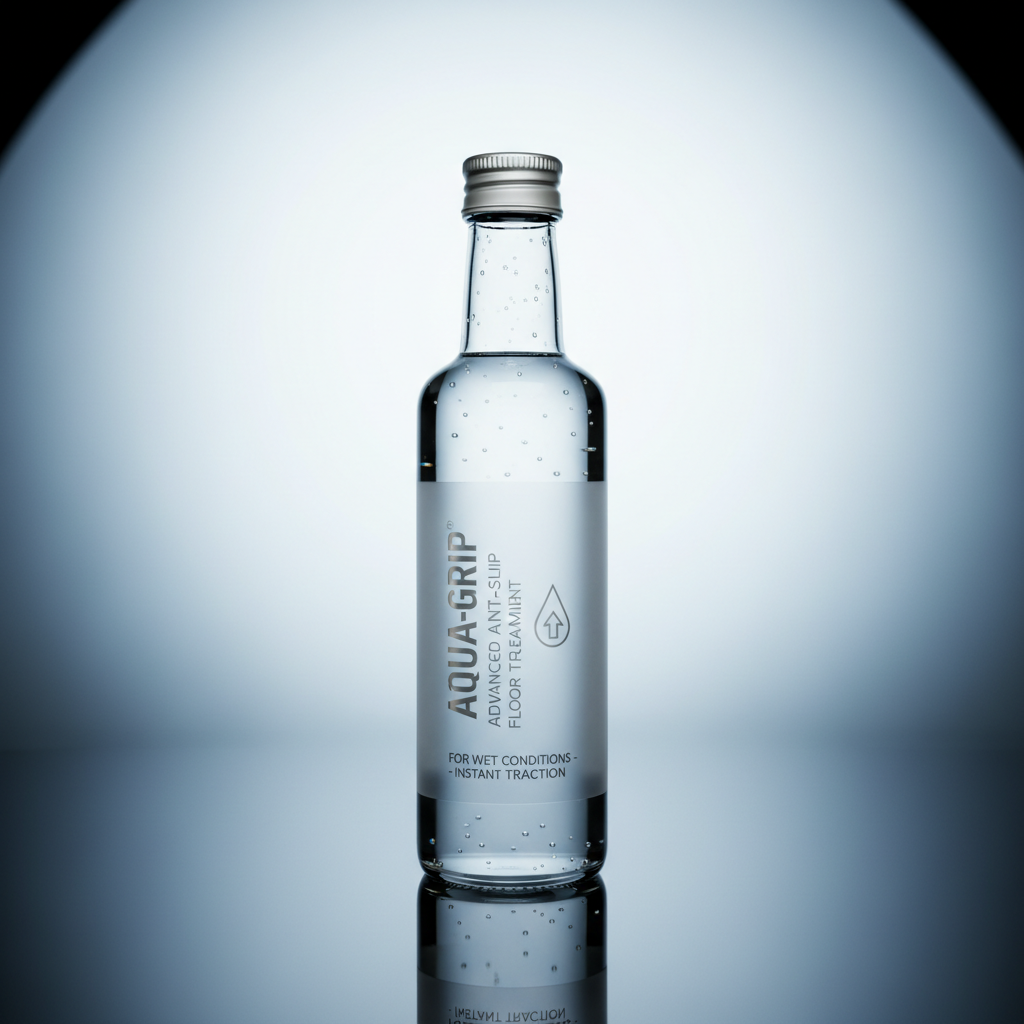
A surface-active agent that reduces surface tension between liquids and solids, allowing cleaning solutions to penetrate and lift dirt more effectively. In power washing, surfactants help cleaning chemicals cling to vertical surfaces longer and improve their cleaning action. Common types include detergents and soaps specifically formulated for pressure washing applications.
Etymology: Portmanteau of 'surface active agent,' coined in the 1950s. The term describes molecules with both water-loving (hydrophilic) and water-repelling (hydrophobic) properties.
Related Terms:
Downstream Injection
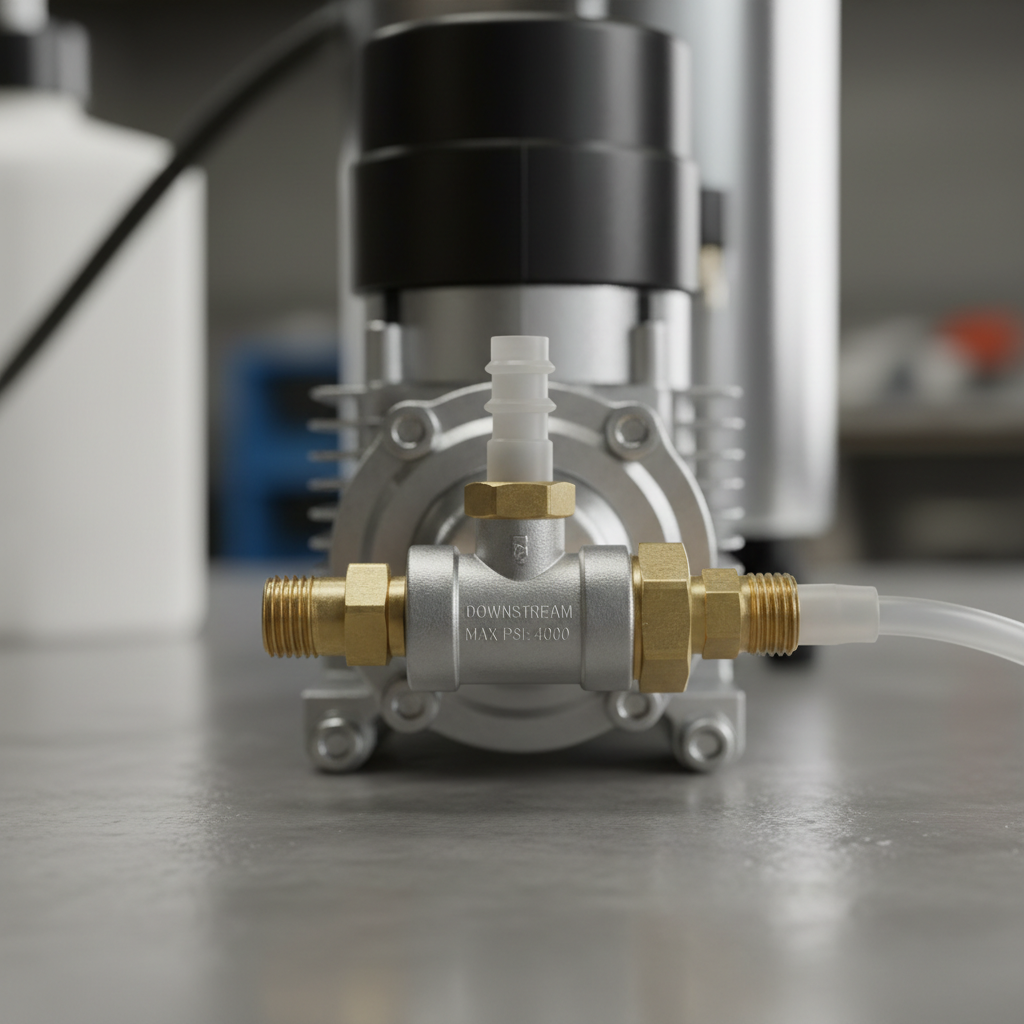
A chemical application method where cleaning solutions are drawn into the water stream after the pressure washer pump, using the venturi effect created by water flow. This method applies chemicals at low pressure, making it ideal for soft washing and preventing damage to the pump from harsh chemicals.
Related Terms:
Concrete Sealer
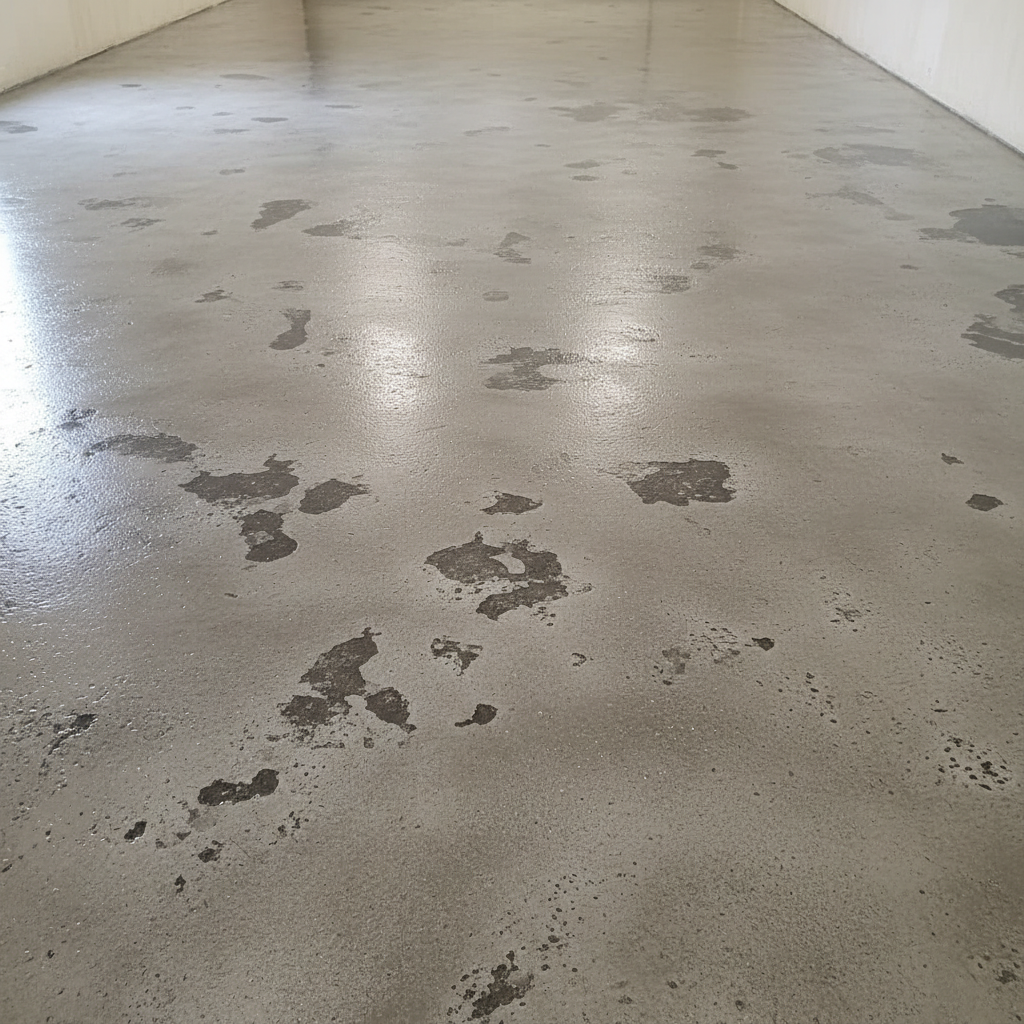
A protective coating applied to concrete surfaces after cleaning to prevent staining, moisture penetration, and deterioration. Sealers can be penetrating (absorbed into the concrete) or film-forming (creating a protective layer on top). Professional power washers often offer sealing services as an add-on to concrete cleaning.
Etymology: Combination of 'concrete' (the building material) and 'sealer' (a substance that closes or protects). Concrete sealing technology developed significantly in the 1960s with advances in polymer chemistry.
Related Terms:
GPM (Gallons Per Minute)
The measurement of water flow rate in pressure washing equipment, indicating how many gallons of water the machine delivers per minute. GPM is equally important as PSI for determining cleaning power. Higher GPM means more water volume, which helps rinse away dirt and debris more effectively. Commercial units typically range from 3-8 GPM.
Related Terms:
Hot Water Pressure Washing
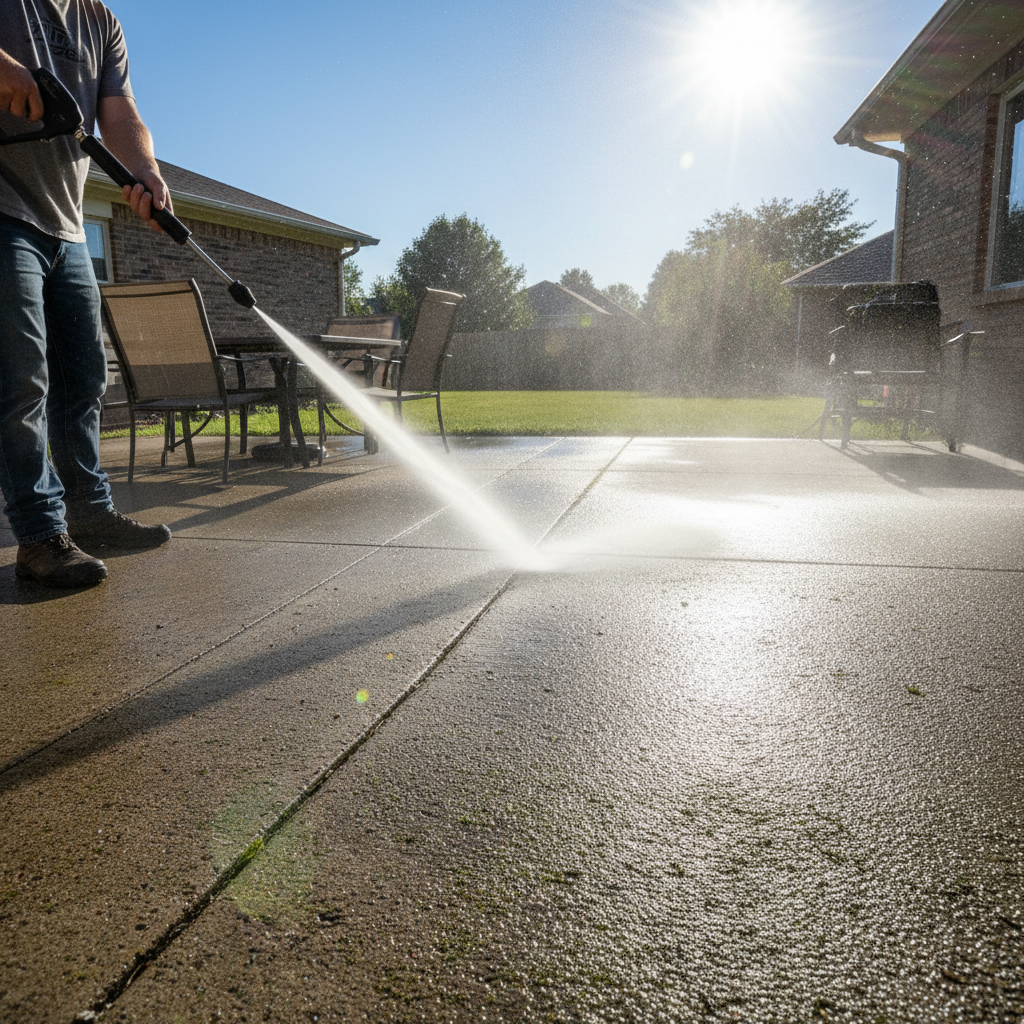
A cleaning method that uses heated water (typically 180-200°F) combined with high pressure to remove grease, oil, and stubborn organic materials more effectively than cold water alone. The heat breaks down molecular bonds in contaminants, making them easier to remove. Particularly effective for commercial and industrial cleaning applications.
Etymology: Descriptive term combining 'hot water' (heated cleaning medium) with 'pressure washing' (the cleaning method). Hot water pressure washing became commercially viable in the 1970s with improved heating technology.
Related Terms:
Algae

Simple photosynthetic organisms that grow on exterior surfaces in moist, shaded conditions. Appears as green, black, or brown discoloration on siding, roofs, decks, and concrete. Algae growth is not just cosmetic—it can deteriorate surfaces over time and create slippery, hazardous conditions. Effectively removed through soft washing with sodium hypochlorite solutions.
Related Terms:
Pressure Washer Pump
The heart of a pressure washing system that converts mechanical energy into hydraulic energy, creating high-pressure water flow. Common types include axial cam pumps (residential), triplex plunger pumps (commercial), and direct drive vs. belt drive configurations. Pump quality and maintenance directly impact machine performance and longevity.
Etymology: Combines 'pressure' (the force created) with 'washer' (the cleaning function) and 'pump' (the mechanical device). Modern pressure washer pumps evolved from industrial hydraulic pump technology in the mid-20th century.
Related Terms: